Evaluating the Sleepy Fox 3D Paper Art Shadow Box for Crafting Projects
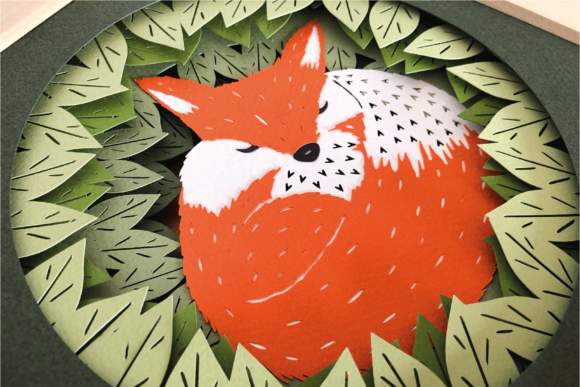
The Sleepy Fox - 3D Paper Art Shadow Box represents a specific category of digital crafting assets designed to bridge the gap between traditional hand-cutting techniques and modern electronic die-cutting technology. For crafters evaluating whether this project aligns with their current skill set, equipment, and aesthetic goals, understanding the technical specifications and practical applications is essential. This design offers a layered approach to creating depth, utilizing paper layers to simulate a three-dimensional scene within a framed enclosure. The subject matter—a resting fox rendered in colorful tones—appeals to those seeking whimsical yet serene decor, but the value of the asset lies primarily in its versatility and file compatibility.
Understanding the File Formats and Compatibility
When selecting a digital cut file, the primary consideration is often software and hardware compatibility. The Sleepy Fox - 3D Paper Art Shadow Box package addresses a wide range of user needs by including multiple file types: DXF, SVG, PNG, EPS, and PDF. This variety ensures that the design is accessible regardless of the tools available to the crafter.
For users operating electronic cutting machines such as the Silhouette Cameo or Cricut, the inclusion of layered DXF and SVG files is particularly significant. These formats allow the software to recognize distinct layers, enabling the machine to cut each tier of the shadow box separately. This automation saves considerable time compared to manual tracing or cutting. Conversely, the PDF files included in the package cater specifically to hand-cutting enthusiasts. These documents are pre-formatted for printing, allowing individuals without electronic cutters to still execute the project using precision knives and mats. The presence of both EPS and PNG files further extends utility for graphic designers who may wish to incorporate the fox imagery into other digital compositions or print-on-demand products.
Dimensions, Scaling, and Preparation
A critical factor in project planning is the final size of the artwork. The standard supply size for the Sleepy Fox - 3D Paper Art Shadow Box is an 8-inch square (20cm x 20cm). While this is a common dimension for small shadow box frames, it may not suit every display space. Fortunately, the vector-based nature of the SVG, DXF, and EPS files allows users to resize the design within their cutting software without losing resolution or edge quality. This scalability is a vital feature for crafters who need to adapt the project to fit specific frame dimensions, whether larger for a statement piece or smaller for a gift tag or ornament.
Additionally, the package includes specific versions tailored for ease of use. The PDF files are supplied in both 8-inch (20cm) and 9-inch (23cm) variations. A notable practical detail is that these PDF files come mirrored and flipped. In shadow box construction, layers are often stacked from back to front; having the images pre-mirrored eliminates a common source of error during the printing and assembly phase, ensuring that text or directional elements face the correct way once assembled. This attention to detail reduces the cognitive load on the crafter, allowing them to focus on the cutting and gluing processes rather than file manipulation.
Assembly Requirements and Learning Curve
Purchasing a digital file is only the first step; the successful completion of the project depends on the assembly process. The Sleepy Fox - 3D Paper Art Shadow Box includes comprehensive assembly instructions, which are crucial for beginners. These guides typically explain how to construct spacers—the small elements placed between paper layers to create the illusion of depth. Without proper spacing, the 3D effect is lost, and the artwork appears flat.
The instructions also provide a list of required materials beyond the paper itself. Crafters should expect to need adhesive suitable for paper (such as double-sided tape or liquid glue), a framing box with sufficient depth to accommodate the layered stack, and potentially cardstock of varying weights. Heavier cardstock is generally preferred for structural layers to prevent warping, while lighter paper might be used for delicate details. Understanding these material requirements beforehand helps users evaluate if they have the necessary supplies on hand or if additional purchases are needed, impacting the overall cost and timeline of the project.
Ideal Use Cases and Audience Fit
This design is a strong fit for several specific scenarios. First, it is ideal for individuals who own electronic cutting machines but are looking for projects that maximize the machine's layering capabilities. The clear separation of files allows for efficient batch cutting. Second, it suits educators or workshop leaders who need a project with clear instructions and scalable difficulty; the hand-cut PDF option makes it accessible for groups without uniform access to technology. Finally, it appeals to home decorators seeking personalized, handmade wall art. The "sleepy" theme of the fox makes it particularly appropriate for nurseries, children's bedrooms, or cozy reading nooks where a calming atmosphere is desired.
Considerations and Potential Tradeoffs
While the Sleepy Fox - 3D Paper Art Shadow Box offers significant flexibility, there are tradeoffs to consider. The primary challenge lies in the assembly time. Unlike a printed poster, a 3D shadow box requires meticulous alignment of multiple layers. For those seeking a quick decorative solution, the hours required for cutting, spacing, and gluing may be prohibitive. Furthermore, the final result is heavily dependent on the quality of materials used. Low-quality paper or inconsistent adhesive application can lead to visible gaps or sagging layers, diminishing the professional look of the finished piece.
Another consideration is the color selection. While the design is described as "colourful," digital files often require the user to select the specific paper colors unless pre-printed cardstock is used. This adds a layer of decision-making regarding color theory and coordination with existing room decor. Users who prefer a "print-and-go" experience without curating material palettes might find this demanding. Additionally, while the files are resizable, extreme enlargement may require sourcing larger frames and deeper shadow boxes, which can increase the project cost significantly.
Making the Decision
Ultimately, determining whether the Sleepy Fox - 3D Paper Art Shadow Box is the right choice depends on your crafting goals. If you value the process of building depth and texture and have the patience for detailed assembly, this project offers a rewarding outcome with high visual impact. The inclusion of diverse file formats ensures that neither machine owners nor hand-cutters are excluded, making it a versatile addition to any digital library. However, if your priority is speed or if you lack the necessary framing materials, you may need to weigh the effort against the final aesthetic benefit. By reviewing the provided instructions and assessing your available tools, you can make an informed decision on whether this layered fox design aligns with your creative objectives.