Elevating Wall Art with the 3D Multilayer Square Frame
In the evolving landscape of digital fabrication and home decor, the shift from flat, two-dimensional designs to textured, dimensional art has become a defining trend for creators and hobbyists alike. At the center of this movement is the 3D Multilayer Square Frame, a versatile design asset that bridges the gap between conceptual creativity and tangible execution. Unlike standard cut files that result in a single-plane image, this specific design architecture relies on stacking multiple layers to create depth, shadow, and visual interest. For professionals ranging from interior designers to small business owners selling handmade goods, understanding the utility and limitations of such a file is essential for maximizing workflow efficiency and product quality.
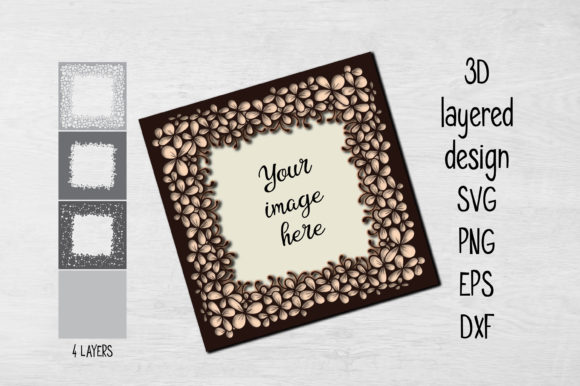
The core appeal of the 3D multilayer design lies in its modularity. The item typically consists of several distinct layers that can be assembled to form a cohesive square composition. What makes this particular asset worth discussing is not just its aesthetic potential, but the level of control it offers the user. You are not locked into a rigid final product; rather, the design serves as a foundation. A creator might choose to utilize every provided layer to achieve maximum depth, or they might selectively use only two or three layers to create a subtler, low-relief effect. This flexibility allows the same digital file to serve multiple purposes, from a bold statement piece in a living room to a delicate accent in a nursery.
Material Versatility and Execution Strategies
One of the most significant strengths of the 3D Multilayer Square Frame is its compatibility with a wide array of materials. While many digital assets are optimized strictly for paper or vinyl, this design holds up well across various mediums, including card stock, wood, plastic, plywood, and MDF. The choice of material fundamentally alters the final presentation and the intended audience for the project.
For those working with card stock or heavy paper, the design functions exceptionally well as a greeting card insert, a scrapbook embellishment, or a lightweight wall hanging. The precision required here is high, as paper layers rely on clean edges to maintain the illusion of depth without the structural support of thicker materials. Conversely, when migrating to wood or MDF, the project shifts toward durable home decor. Plywood and MDF offer the rigidity needed for larger installations where the interplay of light and shadow becomes more pronounced. The thickness of the material adds physical dimension that paper simply cannot replicate, making the square frame an ideal candidate for modern, industrial, or rustic interior themes.
Plastic and acrylic present another avenue, particularly for creators looking to achieve a sleek, contemporary look. When using transparent or semi-transparent plastics, the overlapping layers of the 3D multilayer design can create unique color blending effects, especially if backlit. This adaptability ensures that the asset remains relevant regardless of the specific tools or inventory a creator has access to.
Technical Considerations and Scalability
While the ability to resize a design is often cited as a primary benefit of vector-based assets, practical experience suggests that scalability comes with caveats. You can certainly resize the 3D Multilayer Square Frame to fit specific spatial requirements, but one must exercise caution when reducing the overall dimensions. The design includes thin elements that are critical to the structural integrity and visual clarity of the piece. When scaling down significantly, these fine details may become too fragile to cut cleanly or too narrow to assemble without breaking, particularly in brittle materials like wood or acrylic.
Professionals should evaluate the minimum line width and bridge sizes before committing to a smaller project size. If the goal is a petite gift item, it may be necessary to simplify the design by removing the thinnest inner layers or adjusting the stroke width in your editing software. Ignoring these constraints can lead to production failures, wasted material, and a final product that lacks the crisp definition expected of high-quality decor. Therefore, while the file is flexible, it demands a thoughtful approach to sizing to ensure the 3D multilayer design performs as intended.
File Formats and Workflow Integration
From a technical workflow perspective, the value of a digital asset is often determined by its compatibility with existing machinery and software. This package typically arrives in a single ZIP folder containing four industry-standard formats: SVG, PNG, EPS, and DXF. This variety is crucial for accommodating different user profiles.
- SVG (Scalable Vector Graphics): Ideal for users of Cricut, Silhouette, and other consumer-grade cutting machines. It preserves vector data, allowing for infinite resizing without quality loss, provided the material constraints mentioned earlier are respected.
- DXF (Drawing Exchange Format): Often preferred by users of older software versions or specific CAD programs. It ensures broad compatibility across various plotting and cutting ecosystems.
- EPS (Encapsulated PostScript): The go-to format for professional graphic designers using Adobe Illustrator or CorelDRAW. It allows for deep editing of nodes, paths, and layer separation before sending to a cutter.
- PNG (Portable Network Graphics): Useful for sublimation projects, digital mockups, or print-on-demand services where a raster image with a transparent background is required.
Ensuring your machine is compatible with at least one of these formats is a prerequisite for success. For serious hobbyists and small business owners, having access to both vector (SVG, EPS, DXF) and raster (PNG) options provides a safety net, allowing the design to be pivoted for different product lines without needing to purchase additional assets.
Practical Applications and Market Value
The real-world application of the 3D Multilayer Square Frame extends beyond personal crafting. For entrepreneurs and marketers, this type of asset represents a low-overhead opportunity to create high-margin products. Because the design allows for any color combination, it can be easily customized to match seasonal trends, brand colors, or specific client requests. A set of frames produced in neutral tones can appeal to a broad home decor market, while vibrant, contrasting layers can target a younger demographic or serve as eye-catching office art.
As a gift for friends and loved ones, the personalized nature of layered art carries significant emotional weight. The effort involved in selecting materials, choosing colors, and assembling the layers transforms a digital file into a bespoke object. This "handmade" quality is increasingly valued in a market saturated with mass-produced items. Whether used for a housewarming present, a wedding gift, or a commemorative piece, the tactile nature of the 3D multilayer design elevates it above standard framed prints.
However, potential users must also consider the time investment. Unlike a simple print-and-frame job, constructing a multilayer piece requires assembly. This involves aligning layers precisely, applying appropriate adhesives, and potentially finishing edges depending on the material chosen. For high-volume production, this assembly time must be factored into pricing models. For the individual creator, it represents a satisfying, meditative process that yields a superior final product.
Long-Term Viability and Design Consistency
When evaluating the long-term value of this asset, consistency and reliability are key. A well-constructed 3D Multilayer Square Frame file should have clean paths with no open nodes or overlapping vectors that could confuse cutting software. The layers should be logically organized, making it easy to toggle visibility or export specific sections. High-quality files reduce the need for manual cleanup, saving valuable time during the production phase.
Furthermore, the square format itself offers logistical advantages. Square compositions are easier to frame using standard off-the-shelf frames or simple DIY wooden constructs, reducing the complexity of the finishing stage. They also stack and ship more efficiently than irregular shapes, a crucial consideration for online sellers managing inventory and logistics.
In conclusion, the 3D Multilayer Square Frame stands out as a robust resource for anyone looking to add dimension to their creative portfolio. Its strength lies not just in its visual appeal, but in its adaptability across materials, its comprehensive file format support, and its potential for customization. While users must remain mindful of scaling limitations regarding thin elements, the payoff is a professional-grade design capable of producing stunning wall decor and meaningful gifts. For creators willing to engage with the assembly process, this asset offers a reliable pathway to producing distinctive, high-value items that resonate with modern aesthetic sensibilities.