Strategic Design and Application of the 3D Letter E with Window Cutout
In the realm of physical branding and custom confectionery, the difference between a generic giveaway and a memorable brand asset often lies in the precision of the design tool used. The 3D Letter with Window E represents more than just a decorative shape; it is a functional component for creators who need to merge structural integrity with aesthetic transparency. Whether you are a small business owner looking to elevate your product packaging or a hobbyist aiming to create sophisticated party favors, understanding the utility of this specific design element is crucial for achieving professional results.
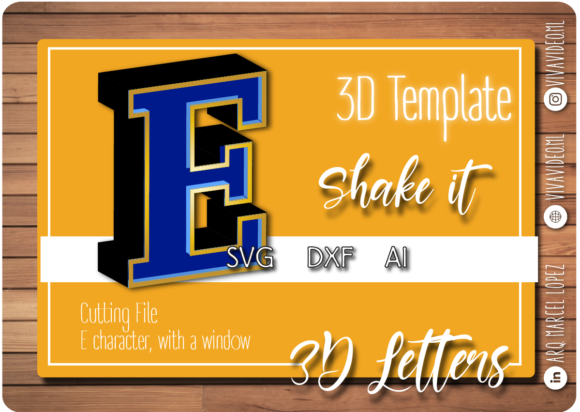
This design features a bold, three-dimensional letter "E" engineered with a dedicated window or shake section. Unlike solid cutouts that obscure what lies beneath, this variation allows the content behind the letter—be it a colorful candy bar wrapper, a patterned background, or a contrasting material—to become an integral part of the visual composition. By utilizing files available in DXF, SVG, and AI formats, users gain the flexibility to operate across various hardware and software ecosystems, ensuring that the transition from digital concept to physical reality is seamless and efficient.
Operational Flexibility Through Multi-Format Compatibility
One of the primary strategic advantages of acquiring a comprehensive design bundle is the ability to adapt to different production workflows. The inclusion of a DXF file is particularly significant for users operating machinery like the Silhouette Cameo. While many designers focus solely on vector graphics for print, the DXF format serves as the bridge between design software and cutting plotters. It ensures that the intricate lines required for the "window" effect are interpreted correctly by the machine, preventing errors such as broken paths or misaligned cuts that can ruin materials and waste time.
Simultaneously, the availability of SVG and AI files caters to the design and prototyping phase. Graphic designers using Adobe Illustrator can manipulate the anchor points of the 3D Letter with Window E to adjust proportions or integrate it into larger branding layouts without losing resolution. For web developers or those using alternative design suites, the SVG format provides scalability and lightweight performance. This multi-format approach eliminates the bottleneck of file conversion, allowing entrepreneurs and freelancers to move quickly from ideation to execution. When your workflow is not hindered by technical incompatibilities, you can focus more energy on the creative and strategic aspects of your project.
Elevating Brand Perception Through Transparent Design
The decision to use a letter with a window cutout is a deliberate choice in visual communication. In marketing psychology, transparency often correlates with trust and authenticity. When applied to physical products like customized candy bars, the 3D Letter with Window E allows the product itself to shine through. Instead of completely covering a chocolate bar with opaque paper, the window reveals the texture and color of the treat, creating a sensory promise before the item is even unwrapped.
For businesses, this technique supports higher perceived value. A standard promotional item might be discarded immediately, but a thoughtfully designed piece that showcases the product through a custom die-cut frame becomes a keepsake. Consider a corporate event where the company's initial is displayed on a high-quality chocolate bar. The window cutout frames the brand logo on the wrapper, drawing the eye directly to the core message. This level of detail signals to clients and partners that the organization values quality and attention to detail, reinforcing brand positioning without the need for verbose explanations.
Practical Applications for Events and Retail
The utility of this design extends beyond simple decoration. Event planners and educators can leverage the 3D Letter with Window E to create interactive learning tools or cohesive thematic elements. For instance, in an educational setting, these letters can be used to spell out key vocabulary words while allowing students to see images or textures associated with each letter through the window. In a retail environment, bakeries and confectioners can use these cutouts to create uniform, branded toppers for gift boxes, ensuring consistency across hundreds of units.
Furthermore, the "shake" or window feature invites interaction. When used in packaging, it creates a tactile experience. The user sees the product, touches the rigid frame of the letter, and engages with the item on multiple levels. This multi-sensory engagement is a powerful tool for memory retention. If your goal is to ensure your brand or message is remembered long after an event has concluded, providing a tangible object that encourages interaction is a far superior strategy than handing out flat flyers or generic brochures.
Strategic Planning and Risk Mitigation
While the potential benefits are significant, the successful deployment of the 3D Letter with Window E requires careful planning. One common risk in DIY and small-batch production is the failure to account for material thickness and cutting tolerance. Because this design relies on a negative space (the window), the structural integrity of the remaining letter depends on the quality of the cut and the durability of the material used. If the bridges connecting the inner parts of the "E" are too thin for the chosen cardstock or acrylic, the letter may collapse during assembly or handling.
To mitigate this, practitioners should conduct small-scale tests before committing to a large run. Use the DXF file to cut a single prototype in your intended material. Evaluate whether the window edges are clean and if the overall structure holds up under slight pressure. Additionally, consider the context in which the item will be used. If these letters are intended for outdoor events, ensure the material is weather-resistant. If they are for food packaging, verify that the materials are food-safe or properly separated from the consumable product. Ignoring these contextual factors can lead to operational failures that damage rather than enhance your reputation.
Another critical consideration is the alignment of the window with the underlying content. The design is only effective if the window frames the right element. This requires precise measurement and planning during the assembly process. For entrepreneurs scaling their operations, creating a jig or template to ensure consistent placement across hundreds of units is a wise investment. Consistency is a hallmark of professionalism; erratic placement of the window can make the final product look amateurish, undermining the strategic intent of the design.
Long-Term Value and Intentional Usage
Adopting tools like the 3D Letter with Window E should be part of a broader strategy for content and product development. It is not merely about having a cool shape; it is about solving a communication problem. Ask yourself: Does this design help convey my message more clearly? Does it improve the user experience? Does it align with my brand's visual identity? When used intentionally, these cutouts become a signature element of your brand language, recognizable and distinct.
Conversely, using such designs randomly or without a clear objective can result in cluttered visuals and wasted resources. Avoid the temptation to use the window effect simply because it is available. Instead, deploy it when there is something valuable to reveal. Whether it is a vibrant color, a textured pattern, or a specific logo, the content behind the window must justify the complexity of the cutout. This disciplined approach ensures that every design decision contributes to a cohesive and impactful outcome.
In conclusion, the 3D Letter with Window E is a versatile asset for anyone serious about elevating their physical design projects. By leveraging the provided DXF, SVG, and AI files, you can integrate this tool into a wide range of workflows, from Silhouette Cameo cutting machines to professional illustration software. However, the true value lies not in the file formats themselves, but in how strategically you apply them. Through careful planning, material testing, and a focus on enhancing the viewer's experience, you can transform a simple letter cutout into a powerful vehicle for branding, education, and connection. Embrace the precision this tool offers, but always ground its use in clear goals and thoughtful execution to achieve lasting, high-quality results.