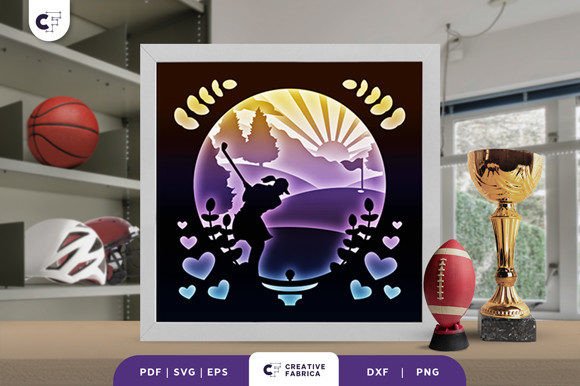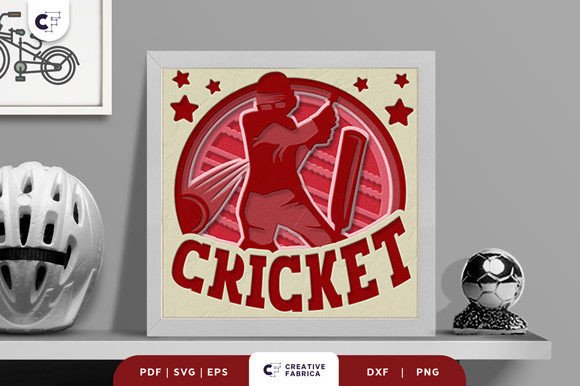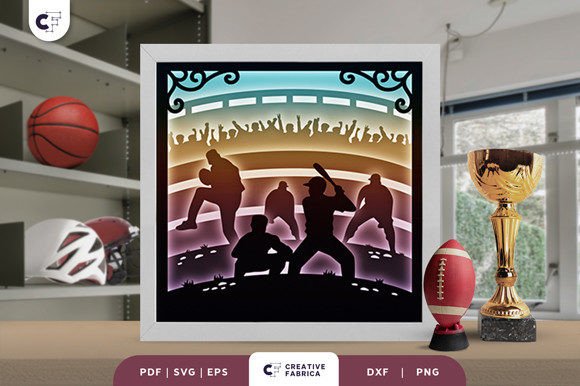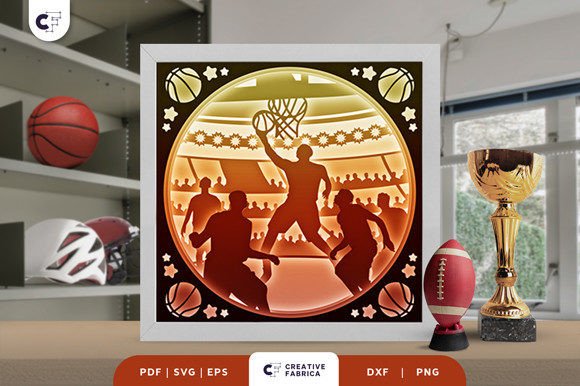
Volleyball Spike 3D Paper Cut Design
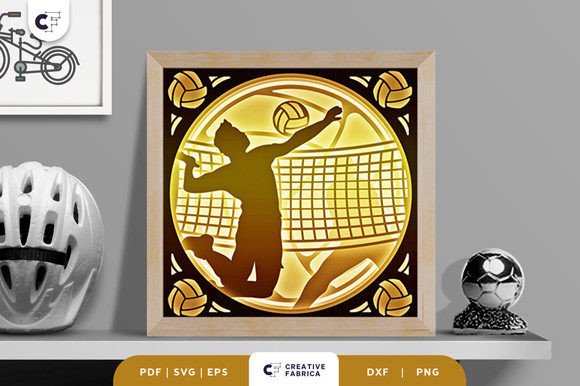
Hello, crafters and design enthusiasts. There is a unique satisfaction in transforming a flat digital file into a tangible piece of art that commands attention through depth and shadow. The Volleyball Spike 3D Layered Paper Cut exemplifies this transition, offering a dynamic visual experience that static images simply cannot match. This layered, square paper cutting template captures the high-energy motion of a volleyball spike, freezing a moment of athletic intensity in six distinct layers of cardstock.
From a professional graphic design perspective, this asset represents more than just a hobbyist project; it is a study in visual hierarchy and spatial composition. When you receive this Sport 3D Shadow Box template, you are getting a versatile package available in SVG, PDF, EPS, PNG, and DXF formats. These file types ensure compatibility with industry-standard tools like Silhouette and Cricut machines, while also remaining accessible for manual creation using art knives and scissors. The precision required to assemble these six layers mirrors the meticulous attention to detail needed in high-end branding and packaging design.
Elevating Brand Identity Through Dimensional Design
In the realm of digital marketing and social media graphics, content must stop the scroll. Flat designs are effective, but dimensional art creates a tactile curiosity that engages viewers on a deeper level. Incorporating elements like the Volleyball Spike 3D Layered Paper Cut into your creative workflow can inspire new approaches to logo design and brand identity. By analyzing how shadows interact between the six layers—each spaced to create depth—designers can apply similar principles to UI components, icons, and promotional materials to enhance perceived value.
The scalability of the SVG file included in this package is particularly valuable. While the default size is 20.32×20.32 cm, the ability to resize the design while maintaining the aspect ratio allows for adaptation across various mediums. Whether you are creating a small emblem for merchandise or a large-scale installation for an event, the underlying geometry remains sound. This flexibility is crucial for maintaining professional presentation across different touchpoints in a design workflow.
Practical Applications for Creators and Marketers
Understanding how to leverage layered assets can significantly improve your output in several key areas:
- Merchandise and Retail: Transform the design into a premium light box by adding LED strips between layers. This technique is increasingly popular in modern retail spaces and sports bars, creating an immersive atmosphere that aligns with current design trends.
- Social Media Content: Document the assembly process or showcase the final framed wall decoration. Behind-the-scenes content featuring physical prototypes often generates higher engagement than polished digital renders alone.
- Editorial and Print Design: Use the structural logic of this cut file to inspire complex die-cut layouts in magazines or brochures, adding a surprise element of depth when readers interact with the page.
- Gifts and Personalization: As a ready-to-assemble project, it serves as a thoughtful gift for friends, family, or sports enthusiasts, demonstrating how creative assets can foster personal connections.
Technical Considerations for Optimal Results
To achieve the modern aesthetics intended by the designer, material selection is paramount. The reference design utilizes Encore Cardstock 80 lb cover (216 gsm), which provides the necessary rigidity to hold its shape without warping under the weight of upper layers. When replicating this look, always consider the GSM of your paper; too thin, and the shadow effect collapses; too thick, and the intricate details of the spike may be lost during cutting.
Assembly requires precision. Using glue or double-sided tape, ensure that spacing between layers is consistent to maintain the illusion of continuous motion. Note that while preview images provide a guide, the actual final product color may vary slightly due to lighting sources and the specific paper color chosen. This variability is not a flaw but an opportunity for customization, allowing designers to tailor the color palette to specific brand guidelines or team colors.
Ultimately, integrating high-quality templates like this into your repertoire enhances your ability to communicate visually. It bridges the gap between digital preparation and physical execution, a skill set that is increasingly valuable in web design, UX design, and broader creative projects. By mastering the interplay of light, shadow, and layering, you elevate your work from simple decoration to compelling visual storytelling.
Thoughtful design choices always yield superior communication. Whether you are framing this piece for a wall or using its structural concepts to inform a new brand identity, the investment in quality creative assets pays dividends in aesthetics and audience engagement. Explore the full potential of these layers to bring your most dynamic ideas to life.