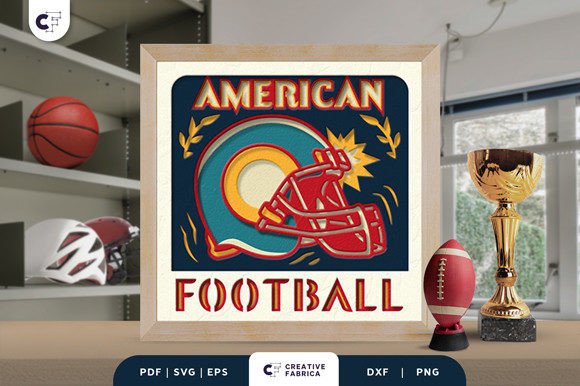
Crafting Nostalgia: The Complete Guide to Vintage American Football 3D Shadow Boxes
Hello, crafters! If you have ever found yourself staring at a flat piece of paper and wondering how to make it pop with life, depth, and emotion, you are in the right place. Today, we are diving deep into the world of 3D shadow boxes, specifically focusing on a design that captures the spirit of the gridiron: the Vintage American Football 3D Shadow Box. This isn't just about cutting paper; it is about preserving memories, celebrating sports history, and creating a tangible piece of art that tells a story.
Whether you are a seasoned papercutting expert or someone who has just picked up their first pair of scissors, understanding the mechanics and magic behind layered paper art can transform your approach to home decor and gift-giving. Let's explore what makes this specific template so special, how the technology behind it works, and how you can bring this vintage sports aesthetic into your modern home.
What Exactly is a 3D Shadow Box?
At its core, a shadow box is a display case with a transparent front (usually glass or acrylic) and a deeper frame than a standard picture frame. In the context of modern crafting, a paper shadow box takes this concept and fills it with layers of cut paper. By stacking these layers with small spacers between them, artists create an illusion of three-dimensional depth. Light hits the different layers at varying angles, casting actual shadows that enhance the details of the design.
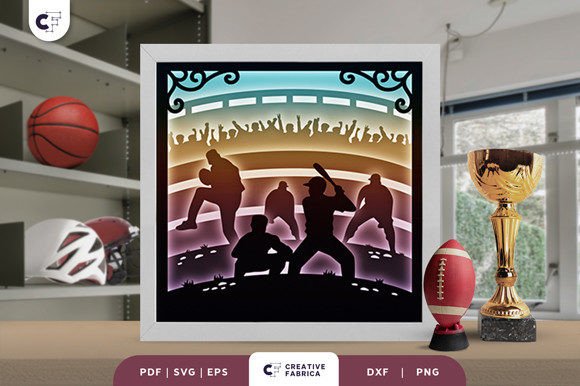
The Vintage American Football template we are discussing today utilizes this principle to recreate the gritty, nostalgic feel of early football days. Imagine the texture of an old leather ball, the faded lines of a historic field, and the bold typography of a bygone era, all suspended in mid-air within a square frame. It is a bridge between digital design and tactile reality.
The Significance of the Vintage Aesthetic
Why choose a "vintage" theme? In a world dominated by high-definition screens and sleek, modern minimalism, there is a growing appreciation for textures that feel worn, warm, and human. Vintage American football represents more than just a sport; it symbolizes community, tradition, and the enduring spirit of competition. Using a layered template to depict this allows crafters to highlight specific elements—like the laces on the ball or the grain of the stadium seats—that might get lost in a flat photograph. It invites the viewer to look closer, to peer through the layers, and to engage with the artwork physically.
Understanding the Digital Template: Formats and Flexibility
One of the most exciting aspects of modern crafting is the accessibility of digital files. When you acquire this Sport 3D Shadow Box template, you aren't just buying a picture; you are buying a versatile toolkit. The template comes in a variety of industry-standard formats, ensuring that no matter what tools you have in your workshop, you can bring this project to life.
- SVG (Scalable Vector Graphics): This is the gold standard for electronic cutting machines. If you own a Silhouette or a Cricut, the SVG file is your best friend. It allows the machine to read the paths and cut intricate details with perfect precision.
- PDF and EPS: These formats are excellent for those who prefer to print the patterns out and cut them by hand, or for professional printers who need high-resolution vector data.
- PNG: A raster image format useful for previewing the design or using in digital mockups before you commit to cutting.
- DXF: Another vector format often used in CAD software and compatible with many cutting machines, offering an alternative if SVG files give you trouble.
The template features 6 distinct layers. This number is crucial. Too few layers, and the effect looks flat; too many, and the frame becomes too deep or the details get muddy. Six layers provide the perfect balance for a 20.32×20.32 cm (8x8 inch) square composition, allowing for a foreground, middle ground, and background that feel distinct yet cohesive.
Resizing and Aspect Ratio
A common question among beginners is, "Can I make this bigger?" The answer is yes, but with a caveat. SVG files are scalable, meaning you can resize them without losing quality. However, you must maintain the same aspect ratio. If you stretch the width without stretching the height, your football will look oval, and the stadium will look distorted. Always lock the proportions when resizing in your design software to ensure the vintage integrity of the image remains intact.
From Screen to Reality: Materials and Assembly
Having the file is only half the battle. The magic happens when you choose your materials and begin assembly. The choice of paper can make or break the final look of your shadow box.
For this project, we highly recommend using high-quality cardstock. Specifically, Encore Cardstock 80 lb cover (216 gsm) is featured in the design previews. Why this weight? Paper that is too thin (like standard printer paper) will warp when glued and won't hold its shape between layers. Paper that is too thick might be difficult to cut, especially for intricate inner details. The 80 lb cover stock offers the perfect rigidity to stand up in the frame while remaining easy to cut with blades or machines.
If you are looking to match the colors exactly as seen in promotional images, consistency is key. You can explore a wide range of colors at the 12×12 Cardstock Shop. (Note: This is a paid link at no extra cost to you, supporting the creation of more free content.)
Tools of the Trade
You do not need expensive equipment to start. While electronic cutters like the Cricut or Silhouette provide speed and precision, there is something deeply satisfying about cutting by hand. If you choose the manual route, all you need are:
- A sharp art knife (X-Acto style) with fresh blades.
- High-quality scissors for outer edges.
- A self-healing cutting mat to protect your table.
- Glue or double-sided tape for assembly.
When assembling, the goal is to create space between the layers. You can use foam adhesive squares, rolled paper tabs, or specialized spacer strips. The distance between layers determines how deep the shadows will be. For a subtle effect, keep layers close; for a dramatic, floating look, increase the spacing.
Lighting It Up: The Light Box Variation
Here is where the project truly transcends traditional decor. While a standard shadow box looks beautiful hanging on a wall in ambient light, adding illumination turns it into a glowing centerpiece. By inserting LED strips between the layers during assembly, you create a backlit effect.
When light passes through the cutouts of the paper layers, it highlights the negative space and casts dynamic shadows against the back of the frame. This technique is particularly effective for the Vintage Football design, as it can mimic the bright stadium lights of a night game or the warm glow of a trophy case. It adds a layer of interactivity to the piece, making it a conversation starter in any room.
The Perfect Gift for Sports Enthusiasts
In our fast-paced digital age, physical gifts carry more weight than ever. A mass-produced poster says "I bought this." A hand-assembled 3D shadow box says "I made this for you." This Vintage American Football template makes an exceptional gift for fathers, grandparents, coaches, or anyone who holds a special place in their heart for the history of the sport.
It fits seamlessly into various settings:
- Man Caves and Home Offices: Adds a touch of class and nostalgia without being overly cluttered.
- Kids' Rooms: Inspires young athletes with a visual representation of the game's heritage.
- Sports Bars and Clubs: Provides unique wall decor that stands out from typical framed jerseys.
Building Broader Creative Skills
Working on a project like this does more than result in a pretty object; it builds skills. You learn about layering and composition, understanding how foreground elements interact with backgrounds. You gain proficiency with file formats and digital design software. You develop patience and fine motor skills through the cutting and gluing process. Furthermore, experimenting with lighting teaches you basic principles of optics and interior design.
Whether you are doing this as a relaxing weekend hobby, a school project to teach art history and geometry, or a small business venture selling custom decor, the Vintage American Football 3D Shadow Box offers a rich learning experience. It proves that technology (digital files and cutting machines) and tradition (papercraft and nostalgia) can work together harmoniously.
Conclusion
The journey from a digital SVG file to a glowing, multi-layered masterpiece is one of the most rewarding experiences in the crafting world. The Vintage American Football 3D Shadow Box template provides all the structural elements you need, but it is your choice of colors, lighting, and assembly that breathes soul into the piece. Whether you frame it as a classic wall decoration or electrify it as a light box, the result is a testament to creativity and passion.
So, gather your cardstock, fire up your cutting machine (or sharpen your knife), and get ready to layer your way to a stunning piece of sports art. Happy crafting!