Crafting a 3D Christmas Star Ornament with Laser Precision
Holiday decor often falls into two camps: the mass-produced plastic that clutters shelves for a few weeks, and the handmade treasures that carry genuine warmth and character. There is a specific satisfaction in creating something tangible, especially when that creation involves layering materials to build depth and shadow. The Christmas Star Ornament 3D Layered Laser Cut template represents this intersection of modern fabrication technology and traditional festive spirit. It isn't just a flat shape; it is a structural design meant to be assembled, offering a tactile experience that flat printing simply cannot replicate.
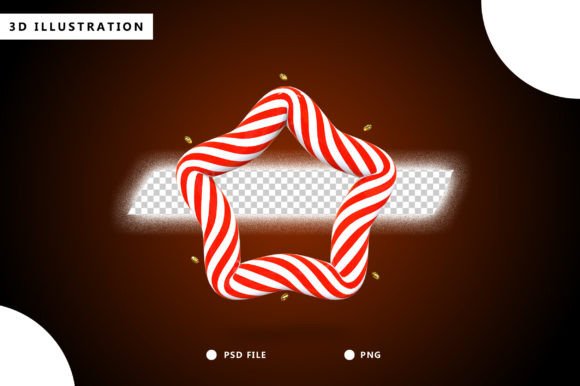
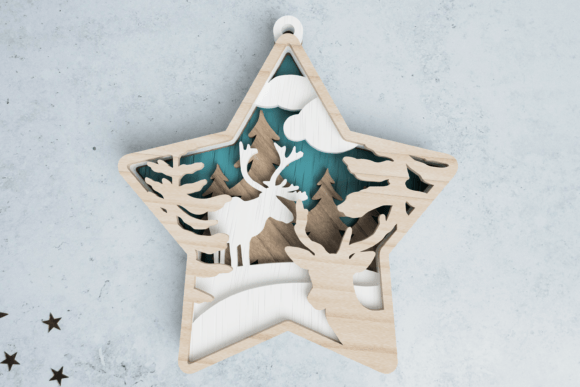
This specific design, launched in partnership with xTool and created by ArtisticIngush, captures the geometric elegance of a star while utilizing the precision of laser cutting to achieve intricate details. Visually, the ornament relies on the interplay of light and shadow created by its multiple layers. When assembled, the overlapping sections create a sense of volume, turning a simple silhouette into a complex, three-dimensional object. Whether you are using natural wood veneer, acrylic, or even heavy cardstock, the layered approach adds a level of sophistication that elevates the piece from a simple craft project to a piece of modern holiday art.
Why Layered Designs Elevate Holiday Aesthetics
In the world of modern typography and graphic design, we often talk about visual hierarchy and depth. The same principles apply to physical objects. A flat cutout has a single plane of existence, but a 3D layered design introduces Z-axis movement. This particular star ornament leverages that movement to catch light differently depending on the viewing angle. For designers and brand strategists, this is a reminder that texture and dimensionality are powerful tools for engagement. Just as a display font might command attention on a poster through bold weight and unique styling, a 3D ornament commands attention on a tree through physical presence.
The appeal of this template lies in its versatility. While it is inherently festive, the geometric nature of the star allows it to fit into various interior design styles, from rustic farmhouse to minimalist contemporary. If you are a small business owner looking to create branded holiday gifts for clients, this design offers a professional finish. Unlike generic store-bought items, a laser-cut gift implies effort and customization. You can stain the wood to match your corporate colors, use frosted acrylic for a sleek look, or even paint individual layers before assembly to create a vibrant, multi-colored effect. The key instruction here is crucial: if you're going to be painting the layers, do so before gluing them together. This ensures clean lines and prevents the mess of trying to reach into the nooks and crannies of an assembled piece.
Furthermore, the file formats provided—PDF, SVG, AI, EPS, DXF, and DWG—cater to a wide range of machinery. Whether you are operating a high-powered CO2 laser cutter, a diode laser, a CNC routing machine, or even a desktop die cutter like a Cricut, the vector paths are optimized for precision. This accessibility makes it a valuable design asset for hobbyists and professionals alike. The dimensions, set at 106 mm in height and 100 mm in width, provide a substantial presence without being overwhelming, making it perfect for hanging on a standard Christmas tree branch or mounting on a wall as part of a seasonal gallery display.
Practical Applications for Creators and Entrepreneurs
For content creators and marketers, the holiday season is a prime opportunity to showcase behind-the-scenes processes. Documenting the creation of these ornaments—from importing the SVG file into your software to the final assembly—creates compelling social media graphics and video content. It demonstrates craftsmanship and aligns your brand with values of creativity and quality. If you run an Etsy shop or a local boutique, offering these as customizable items can be a lucrative addition to your winter inventory. Because the file is digital, your overhead is low; you only produce what you sell, reducing waste and storage issues.
When considering how this design influences perception, think about the message sent by a handmade, multi-layered gift versus a generic mug. The former suggests thoughtfulness and attention to detail. In terms of brand identity, consistency is key. If your brand values innovation and precision, using laser-cut materials reinforces that message physically. The clean lines of the laser cut mirror the clarity of a well-designed sans serif font or a structured serif font used in editorial design. It communicates that you care about the fine details.
However, working with layered designs requires a bit of technical foresight. One of the most important considerations is material thickness. Since this is a multilayer file, the spacing between layers is designed with specific material gauges in mind. If you decide to scale the design, you must be cautious. The prompt notes that you can easily increase the size, which is generally safe for structural integrity. However, reducing the size requires careful evaluation of the thin elements. If you shrink the star too much, the delicate bridges between the layers may become too fragile to survive the cutting process or the handling during assembly. Always test a single layer first when experimenting with new scales or materials.
Maximizing Value Through Material and Finish Choices
The true magic of the Christmas Star Ornament 3D Layered Laser Cut emerges during the finishing stage. While natural wood offers a classic, warm aesthetic, don't limit yourself to traditional choices. Acrylic sheets in translucent colors can create a stained-glass effect when light passes through the layers. For a more industrial look, consider using thin aluminum composite or painted MDF. The choice of material directly impacts the final weight and how the ornament hangs, so ensure your hanging mechanism—whether a ribbon, twine, or metal hook—is rated for the finished weight.
Gluing is another critical step. To maintain the crisp definition of the layers, use adhesives that dry clear and do not warp the material. PVA glue works well for wood and paper, while solvent-based cements are better for acrylics. Apply sparingly; excess glue can seep out and ruin the clean edges that the laser worked hard to create. For those interested in adding even more detail, this template serves as an excellent base for mixed media. You could embed small LED lights between the layers for a glowing effect or add glitter accents to specific planes before sealing them.
From a licensing perspective, this freebie is a generous resource for both personal and commercial exploration. It allows designers to experiment with 3D construction without the barrier of high costs. Whether you are prototyping a new product line, creating content for a blog, or simply decorating your home, the utility of having a ready-to-cut vector file cannot be overstated. It removes the time-consuming phase of drafting complex vectors from scratch, allowing you to focus on execution and finishing.
Ultimately, the value of this project extends beyond the final ornament. It is an exercise in understanding how digital files translate into physical reality. It bridges the gap between screen and space, offering a hands-on lesson in design tolerance, material properties, and assembly logic. For anyone involved in packaging design, logo design, or spatial branding, these skills are transferable. The discipline required to ensure every layer aligns perfectly is the same discipline needed to ensure a typeface renders correctly across different devices or a brand system remains consistent across various touchpoints.
As you prepare to cut, remember that the best results come from patience and preparation. Clean your lens, calibrate your bed, and select your materials with intention. The Christmas Star Ornament 3D Layered Laser Cut is more than just a holiday decoration; it is a testament to what can be achieved when creative vision meets precise engineering. Whether it ends up adorning a tree, hanging in a window, or gifting to a valued client, it carries the distinct mark of human ingenuity.