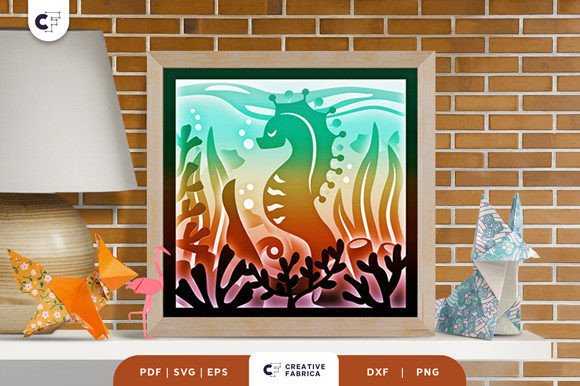
Bringing the Ocean to Life with a Seahorse Underwater 3D Shadow Box
There is something undeniably magical about paper crafting that moves beyond the flat page. When you introduce depth, light, and layering, a simple design transforms into a living scene. This is exactly what happens when you dive into creating a Seahorse Underwater 3D Shadow Box. For crafters who love marine life or are looking for a project that feels both intricate and achievable, this layered square paper cutting template offers a perfect blend of artistic challenge and serene beauty. It isn't just about cutting shapes; it's about building a tiny, tangible world that captures the gentle drift of an underwater current.
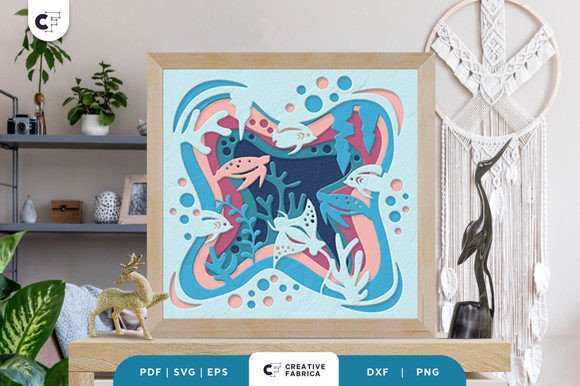
The concept behind this project is straightforward yet profoundly effective. You are working with eight distinct layers of cardstock, each contributing to the final illusion of depth. When stacked correctly, the seahorse appears to float amidst seaweed, coral, and bubbles, creating a parallax effect that changes slightly as you move past it. Whether you frame it against a wall to catch natural sunlight or convert it into a glowing night light with LED strips, the result is a piece of art that feels alive. It serves as a reminder that sometimes the most impactful decorations are the ones we build with our own hands, layer by careful layer.
Why This Project Resonates with Modern Crafters
In a world dominated by digital screens and mass-produced decor, there is a growing hunger for tactile, handmade items that tell a story. The Seahorse Underwater 3D Shadow Box hits this sweet spot perfectly. It appeals to adults aged 20 to 50 who are seeking a creative outlet that doesn't require a studio full of expensive equipment but still yields professional-looking results.
Consider the busy parent looking for a weekend project that allows them to disconnect from work emails and reconnect with their creative side. This template provides a structured path to creativity. Because the design comes in versatile formats like SVG, PDF, EPS, PNG, and DXF, it fits seamlessly into whatever workflow you prefer. If you own a Silhouette or Cricut machine, you can let technology handle the precision cutting while you focus on assembly. If you prefer the meditative rhythm of hand-cutting with an art knife and scissors, the PDF and PNG files serve as excellent guides. The flexibility ensures that the barrier to entry is low, but the ceiling for customization is high.
Real-World Applications Beyond Wall Art
While the most obvious use for this template is a framed wall decoration, limiting it to just hanging on a wall ignores its true potential. The modular nature of the eight-layer design opens up a variety of practical and decorative scenarios.
- Nursery and Kids' Room Decor: The ocean theme is a staple for children's rooms. A shadow box featuring a friendly seahorse creates a calming focal point. Unlike a flat poster, the 3D element adds texture that stimulates visual interest for developing eyes. When backlit with soft, warm LEDs, it doubles as a soothing night light that can help ease bedtime routines.
- Thoughtful Gifting: Finding a gift that feels personal yet polished is often a struggle. Assembling this shadow box for a friend who loves the ocean, a family member moving into a new home, or a partner who appreciates handmade goods shows a level of care that store-bought items simply cannot match. The ability to choose specific paper colors—perhaps matching the recipient's favorite shades of teal or sand—makes the gift uniquely theirs.
- Event and Wedding Centerpieces: For beach-themed weddings or aquatic-inspired parties, these shadow boxes can be scaled (while maintaining aspect ratio) to serve as unique table centerpieces or welcome sign accents. They add a sophisticated, artisanal touch to event styling without the fragility of glass or the cost of fresh floral arrangements.
- Therapeutic Crafting: Many adults turn to crafting for stress relief. The repetitive motion of cutting, the focus required to align eight layers perfectly, and the satisfaction of seeing the image emerge create a flow state. It is a form of active meditation that results in a beautiful object, reinforcing a sense of accomplishment.
Material Choices and Assembly Considerations
The success of any 3D paper project hinges largely on the materials used. While the digital file provides the roadmap, the physical execution depends on your choice of paper. The template is designed with standard dimensions of 20.32×20.32 cm, which fits perfectly into standard 8x8 inch frames, but resizing is an option if you need a larger statement piece. Just remember to keep the aspect ratio locked to prevent distorting the delicate details of the seahorse and surrounding flora.
Paper weight is critical. Using standard printer paper will result in a floppy, unimpressive structure that fails to hold the spacing between layers. For the best results, a sturdy cardstock is essential. Many experienced crafters recommend Encore Cardstock 80 lb cover (216 gsm). This weight offers enough rigidity to maintain the 3D structure without being so thick that it becomes difficult to cut intricate details, especially if you are using a blade machine. The texture and finish of the paper also play a role; a matte finish often reduces glare and enhances the shadow effects, while a slight shimmer can mimic the reflection of light on water.
Assembly requires patience and the right adhesives. Glue dots or double-sided tape are generally superior to liquid glue for this application. Liquid glue can warp the paper or create visible clumps that ruin the clean lines between layers. By using tape or dots at strategic points, you ensure uniform spacing, which is the secret ingredient to the "floating" effect. It is also worth noting that lighting plays a massive role in the final presentation. Natural light casting shadows through the layers during the day creates a dynamic display, while internal LED strips at night transform the piece into a luminous lantern.
Navigating Limitations and Expectations
As with any creative endeavor, managing expectations is part of the process. One common consideration is color variance. The images you see in preview galleries are often digitally enhanced or photographed under specific lighting conditions. The actual final product color may slightly vary due to lighting sources and the specific batch of paper color you purchase. This isn't a flaw but a characteristic of physical media. Embracing this variability allows you to curate a color palette that suits your specific environment rather than trying to replicate a screen image exactly.
Additionally, while the SVG files are compatible with major cutting machines like Cricut and Silhouette, users should be aware that machine settings may need tweaking based on the specific brand of cardstock used. A test cut is always advisable before committing your entire sheet of premium paper. For those cutting by hand, the intricacy of the seaweed and bubble details requires a sharp blade and a steady hand. Rushing this stage can lead to torn edges, so allocating enough time for the cutting phase is crucial.
Ultimately, the Seahorse Underwater 3D Shadow Box is more than just a craft kit; it is an invitation to slow down and engage with the process of creation. Whether you are decorating a nursery, searching for a meaningful gift, or simply looking to fill a quiet evening with purposeful activity, this project delivers. It bridges the gap between digital convenience and analog satisfaction, resulting in a piece of art that brings a breath of fresh, oceanic air into your home. With the right materials and a bit of patience, you can turn a flat sheet of paper into a window looking out into a serene underwater world.